


A mystical poem in stone / Ramappa Temple: The Ethereal Grandiose
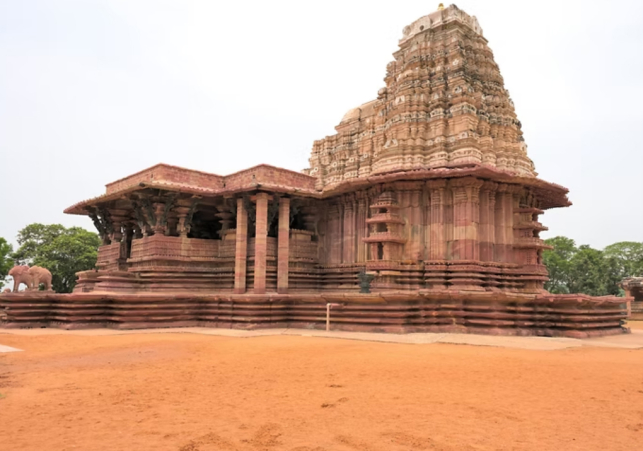

A mystical poem in stone / Ramappa Temple: The Ethereal Grandiose
The opulence of Ramappa Temple mesmerises the visitors leaving them with an overwhelming sense of mystical nostalgia. Also known as the KakatiyaRudreshwara Temple, it is one of the most artistic and alluring historical monuments in Telangana state.
Located in Palampet village in Venkatapurmandal in Mulugu district, this ancient temple is a testament of its remarkable architecture, intricate stone carvings, and advanced engineering techniques. Dedicated to Lord Shiva, the temple stands as a symbol of the aesthetic and ethic achievements of the Kakatiya dynasty.
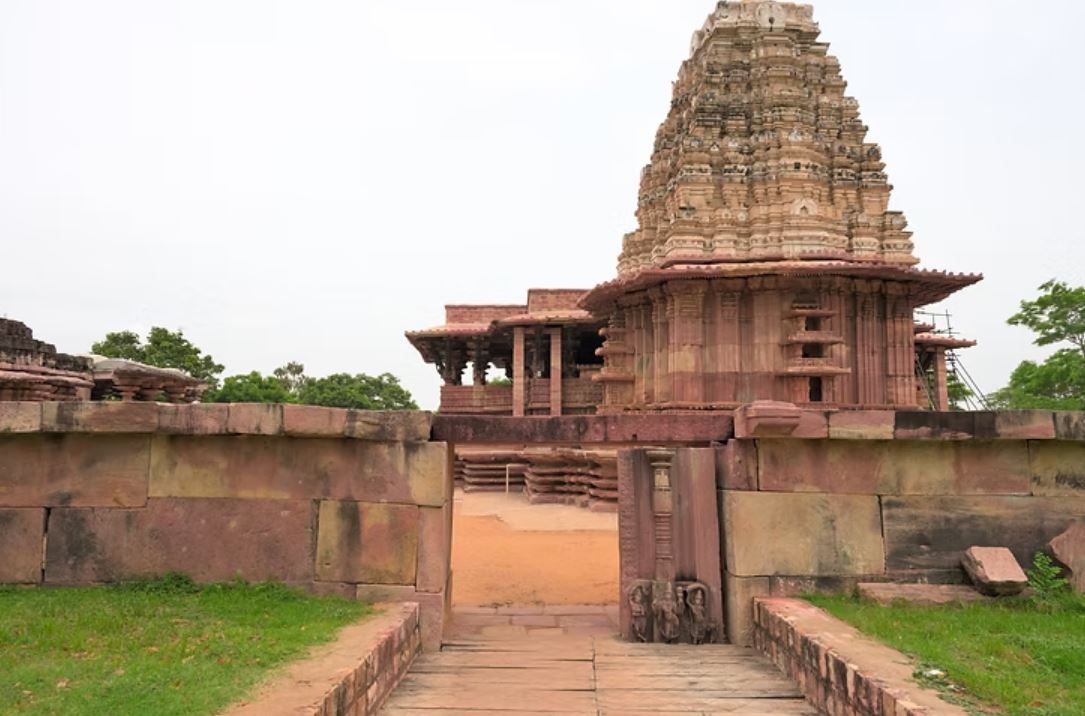
The Gudi / Kovela's construction began in 1213 CE during the reign of Kakatiya King Ganapati Deva. It was built under the supervision of RecharlaRudra, a military commander and chief of the Kakatiya kingdom. The temple took almost 40 years to complete. According to the folklore, it took nearly 40 years for the sculptor Ramappa and his team to complete this majestic beauty where Lord Sri Ramalingeswara is revered.
The Kakatiya dynasty ruled a large part of present-day Telangana and Andhra Pradesh between the 12th and 14th centuries. During this period, the rulers encouraged art, architecture, literature, and religious activities. Ramappa Temple became an outstanding example of their architectural excellence and devotion to Lord Shiva.
The temple is popularly known as Ramappa Temple after its chief architect Ramappa, rather than its original historical accounts. However, its official historical name is Rudreshwara Temple, after the presiding deity.
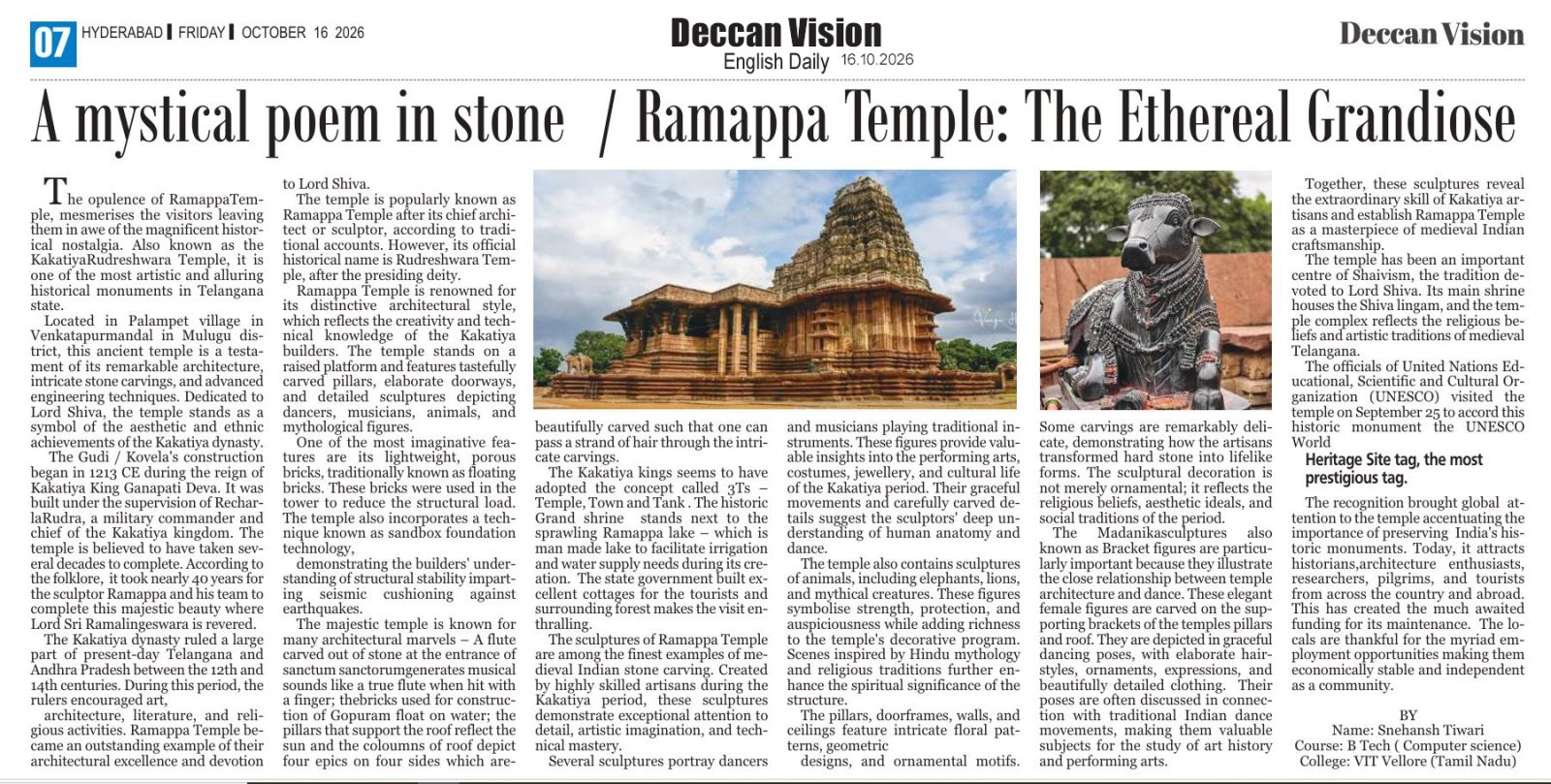
Ramappa Temple is renowned for its distinctive architectural style, which reflects the creativity and technical knowledge of the Kakatiya builders. The temple stands on a raised platform and features tastefully carved pillars, elaborate doorways, and detailed sculptures depicting dancers, musicians, animals, and mythological figures.
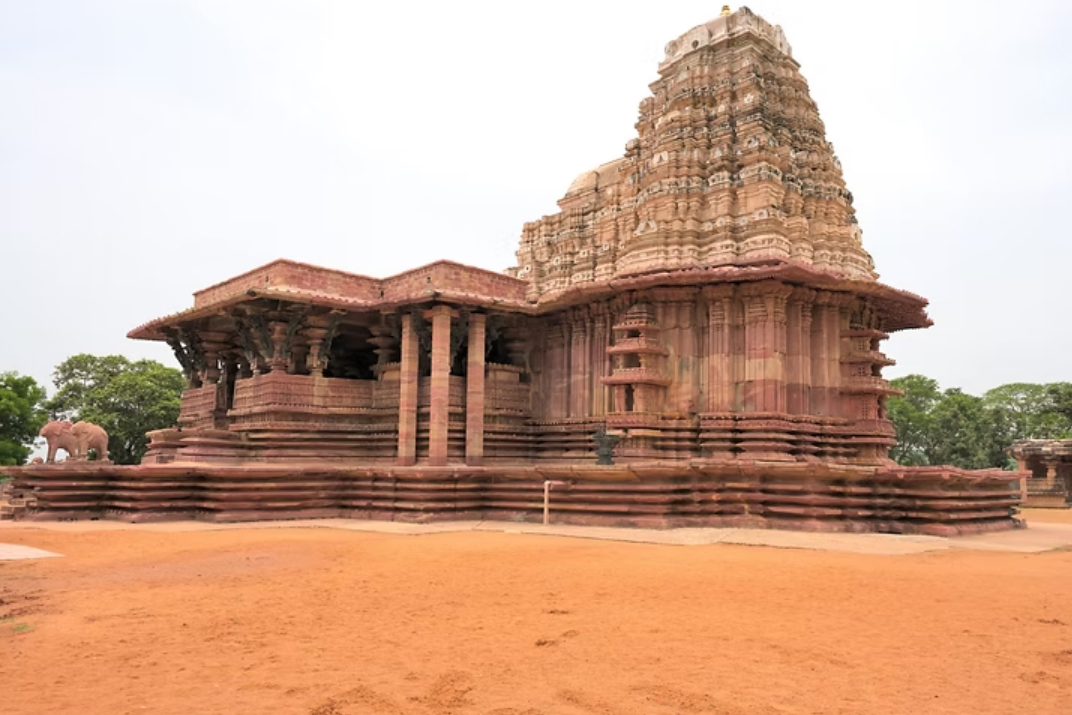
One of the most imaginative features is its lightweight, porous bricks, traditionally known as floating bricks. These bricks were used in the tower to reduce the structural load. The temple also incorporates a technique known as sandbox foundation technology. This involves filling the foundation with sand to reduce the building's under-standing of structural stability imparting seismic cushioning against earthquakes.
The majestic temple is known for many architectural marvels – A flute carved out of stone at the entrance of sanctum sanctorumgenerates musical sounds like a true flute when hit with a finger; thebricks used for construction are so light that they float on water; the pillars that support the roof reflect the sun and the columns of roof depict four epics on four sides which are-beautifully carved such that one can pass a strand of hair through the intricate carvings.
The Kakatiya kings seems to have adopted the concept called '3Ts – Temple, Town and Tank'. The historic Grand shrine stands next to the sprawling Ramappa lake – which is man made lake to facilitate agricultural and water supply needs during its creation. The state government built excellent cottages for the tourists and surrounding forest makes the visit enthralling.
The sculptures of Ramappa Temple are among the finest examples of medieval Indian stone carving. Created by highly skilled artisans during the Kakatiya period, these sculptures demonstrate exceptional attention to detail, artistic imagination, and technical mastery.
Several sculptures portray dancers and musicians playing traditional instruments. These figures provide valuable insights into the performing arts, costumes, jewellery, and cultural life of the Kakatiya period. Their graceful movements and carefully carved details suggest the sculptors' deep understanding of human anatomy and dance.
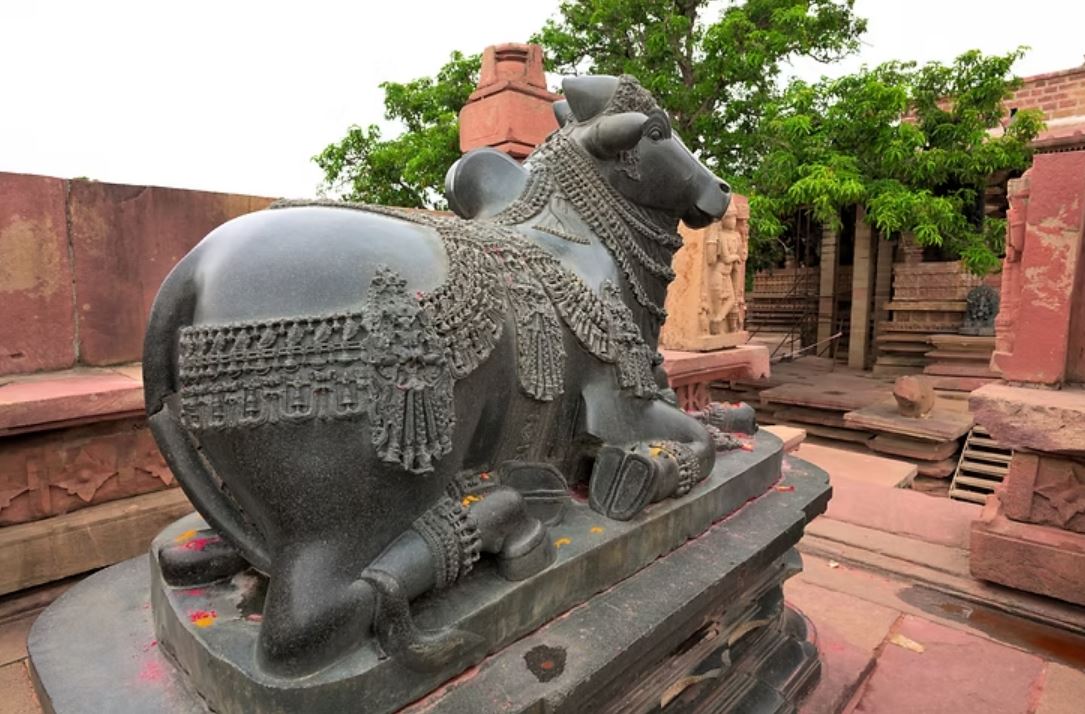
The temple also contains sculptures of animals, including elephants, lions, and mythical creatures. These figures symbolize strength, protection, and auspiciousness while adding richness to the temple's decorative program. Scenes inspired by Hindu mythology and religious traditions further enhance the spiritual significance of the structure.
The pillars, doorframes, walls, and ceilings feature intricate floral patterns, geometric designs, and ornamental motifs. Some carvings are remarkably delicate, demonstrating how the artisans transformed hard stone into lifelike forms. The sculptural decoration is not merely ornamental; it reflects the religious beliefs, aesthetic ideals, and social traditions of the period.
The Madanikasculptures – also known as Bracket figures – are particularly important because they illustrate the close relationship between temple architecture and dance. These elegant female figures are carved on the supporting brackets of the temple's pillars and roof. They are depicted in graceful dancing poses, with elaborate hairstyles, ornaments, expressions, and beautifully detailed clothing. Their poses are often discussed in connection with traditional Indian dance movements, making them valuable subjects for the study of art history and performing arts.
Together, these sculptures reveal the extraordinary skill of Kakatiya artisans and establish Ramappa Temple as a masterpiece of medieval Indian craftsmanship.
The temple is an important centre of Shaivism, the tradition devoted to Lord Shiva. Its main shrine houses the Shiva lingam, and the temple complex reflects the religious beliefs and artistic traditions of medieval Telangana.
The officials of the United Nations Educational, Scientific and Cultural Organisation (UNESCO) visited the temple on September 25 to accord this historic monument the UNESCO World.
Heritage Site tag, the most prestigious tag.
The recognition brought global attention to the temple accentuating the importance of preserving India's history, art, and culture. For historians, architecture, enthusiasts, researchers, pilgrims, and tourists from across the country and abroad. This has created the much awaited funding for its maintenance. The locals are thankful for the myriad employment opportunities making them economically stable and independent as a community.
BY
Snehash Tiwari
B Tech ( Computer science)
VIT Vellore (Tamil Nadu)


